Jose Rego · Portfolio
AI-native product design for complex, high-stakes systems.

Currently
Designing AI-native products with the Live Learn Innovate Foundation.
Code, UX, product strategy, natural-language systems, and AI-assisted development brought together to turn ambiguous ideas into usable, testable, build-ready systems.
Before today's AI-assisted build tools existed, the work was already where software, language, users, and systems meet. A developer foundation, years of voice and natural-language applications, design leadership for complex enterprise platforms, and now hands-on AI-assisted product building, directly in code.
Proof · across the stack
-
25+ yrs
Code → UX → AI-native
Development, voice/NLU, design leadership, AI-native systems.
-
Top 10%
Programming school
Top of class at a top programming school.
-
$1.2B
Business unit UX
Led UX for a major financial-services business line.
-
75M+
Shareholder records
Ecosystems serving complex financial-service operations.
-
270+
Clients & RMs researched
Surveys, interviews, workshops, usability testing.
-
3 builds
AI-native, 0→1 lead
0→1 across health, legal tech, and homeownership.
Career convergence
A career built for this AI-native moment.
AI is collapsing the distance between idea, interface, logic, data, and implementation. My advantage is that I have worked across each of those layers for decades.
Where it converges
Jose Rego
AI-Native Product Builder
The layers behind
The layers behind my AI-native work.
This isn't a sudden pivot. It's the result of career experience, education, technical training, design leadership, and startup building converging. Every layer maps to a present-day AI-native capability.
Why this matters now
AI-assisted building compresses roles that used to be separate.
Product thinking, design logic, technical constraints, user intent, data structures, and implementation quality now collide earlier in the process. That creates risk when people can generate interfaces or code without understanding the system they're shaping.
That background supports work across product strategy, UX architecture, technical feasibility, and delivery execution: using AI-assisted tools quickly, with the judgment to challenge, structure, guide, and correct them.
- Edge 01
Code fluency
Able to read, reason about, and prototype across modern product stacks using AI-assisted development workflows.
- Edge 02
Language-driven systems
Voice and natural-language work covered the same problems modern AI UX runs into: intent, ambiguity, recovery, task completion.
- Edge 03
Design at scale
Enterprise UX experience across multi-business-line platforms, design systems, governance, and complex workflows.
- Edge 04
Implementation clarity
Specification work, including 2,000-page system specs, built the discipline to define behavior clearly enough for engineers, and now AI, to build from.
- Edge 05
Startup speed
Recent startup work brought hands-on building back into focus: AI tools, prototypes, APIs, and product-market ambiguity.
- Edge 06
Product integrity
AI can build quickly, but it needs context, constraints, review, and product judgment to build the right thing.
Working with teams
Working with technical teams and clients.
The bridge between design intent and shippable product: discovery, prototyping, engineering collaboration, and delivery, with the artefacts each step needs.
- Practice 01
Facilitate discovery across business, user, and technical stakeholders.
- Practice 02
Turn ambiguous problem space into workflows, prototypes, and specifications.
- Practice 03
Use AI-assisted development to make ideas testable earlier.
- Practice 04
Partner with engineers to validate data, API behavior, edge cases, and feasibility.
- Practice 05
Create artifacts that support delivery, not presentation.
Selected work
Selected work: complex systems made usable, testable, and shippable.
Across AI-assisted health, legal tech, homeownership, financial services, mobile, voice, and data products, the work focuses on turning ambiguity into structured systems people can understand, test, and build.
-
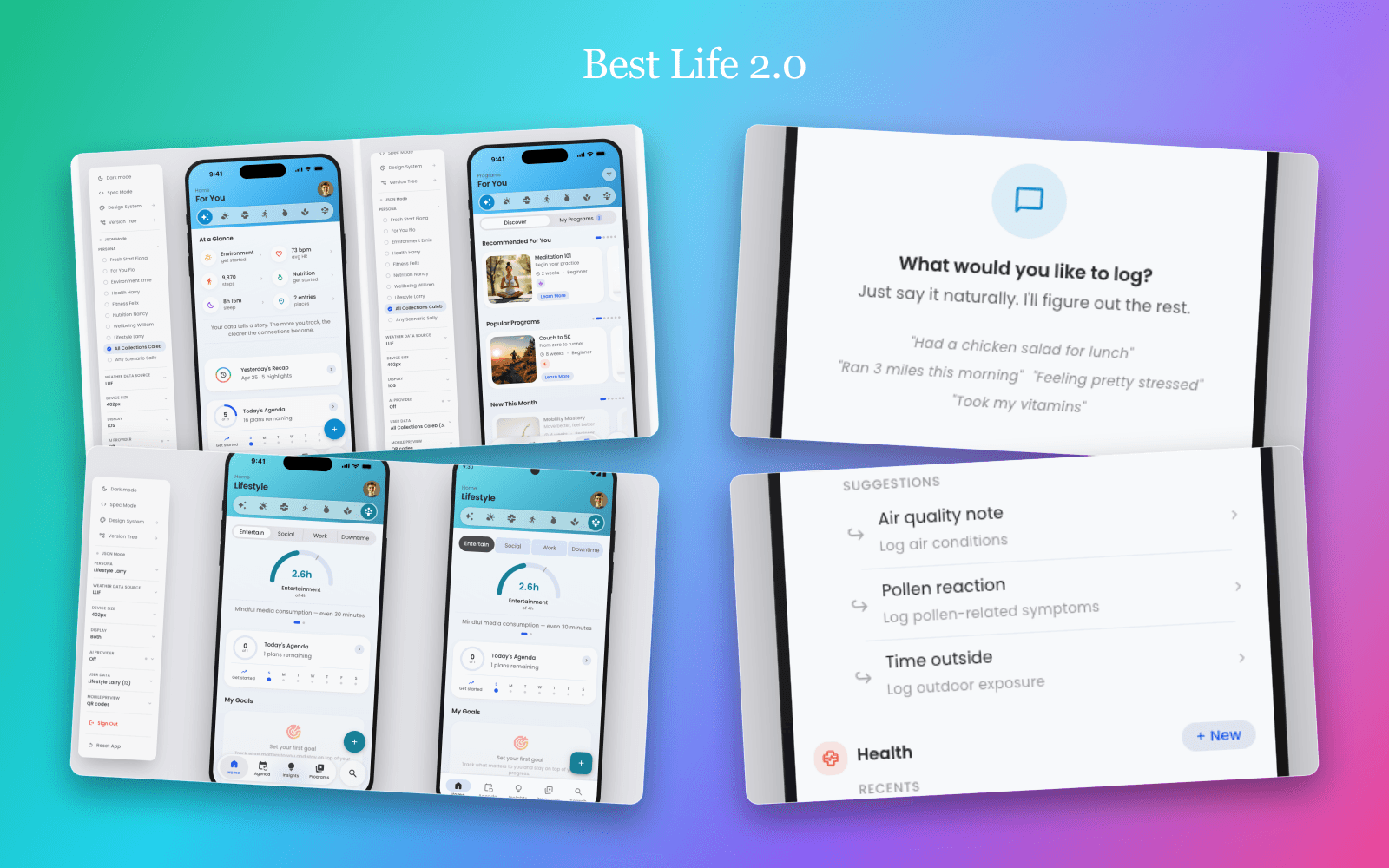 Best Life 2.0 2026
Consolidating fragmented health, fitness, nutrition, wellbeing, environment, and lifestyle data into one AI-ready platform that surfaces correlations between them.
- Type
- Mobile App
- AI depth
- High
- Complexity
- Very High
What I built
- AI-assisted POCs
- Collection-based IA
- Insight / program logic
- AI-Native
- Mobile
- Health
- Code Prototype
-
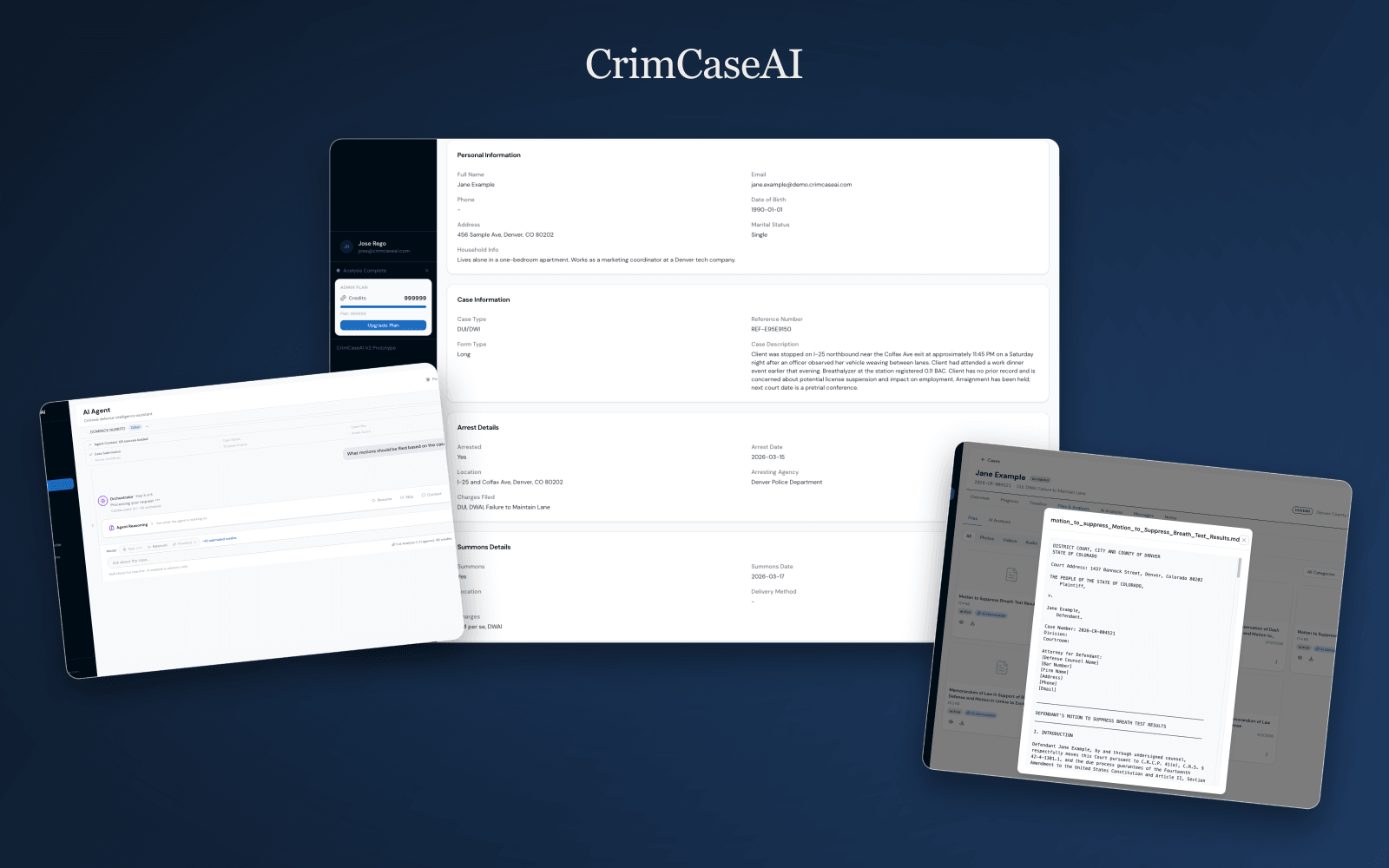 CrimCaseAI 2026
AI case-intelligence platform for criminal defense, built around a 'Case Twin' model with attorney oversight, source traceability, and approval gates at every step.
- Type
- Website
- AI depth
- Very High
- Complexity
- Very High
What I built
- Case Twin model
- Agentic workflow architecture
- Firm / client portal flows
- AI-Native
- Legal Tech
- Human-in-the-Loop
- Code Prototype
-
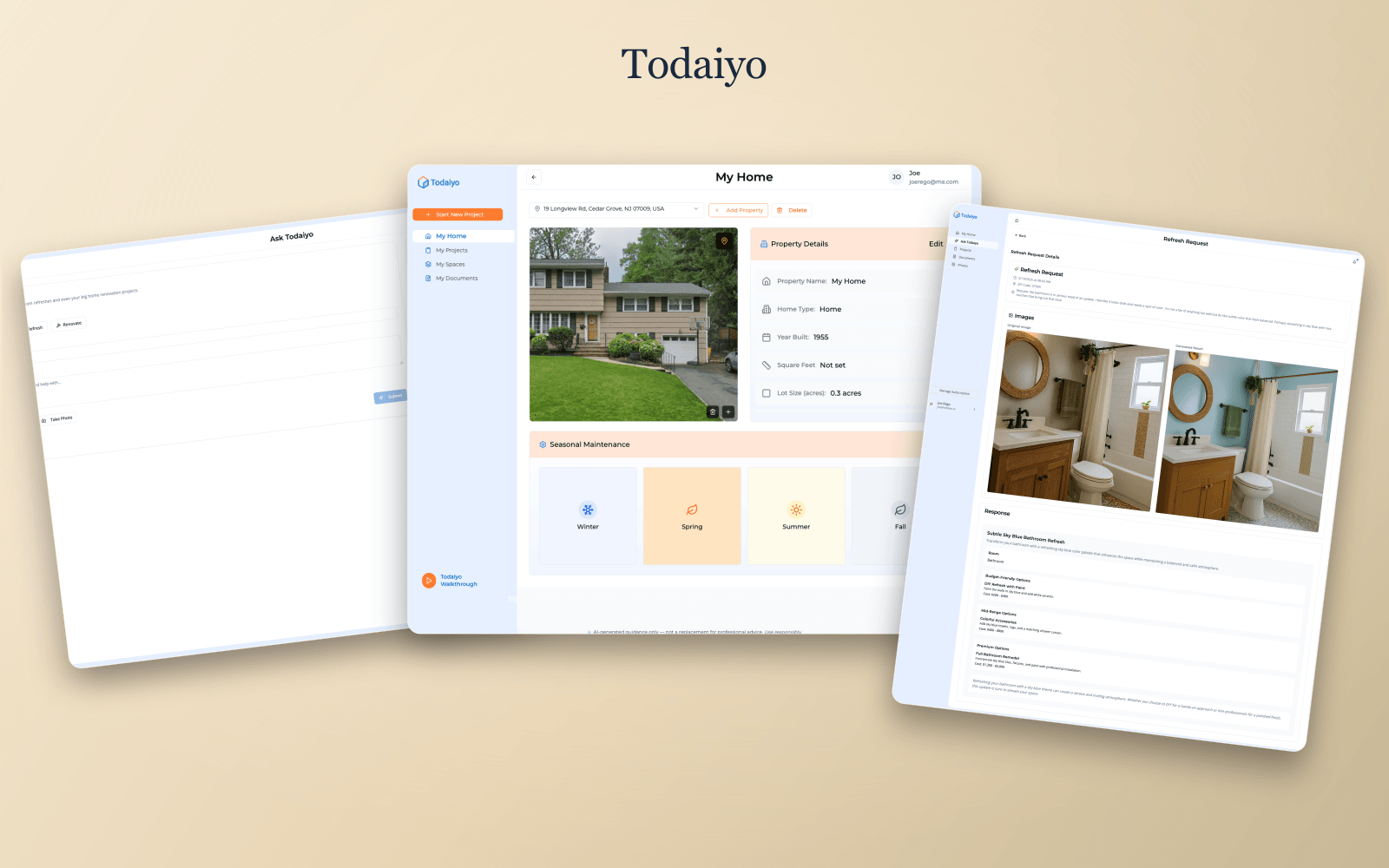 Todaiyo 2025
Matured a Lovable-generated MVP into a clearer product foundation with stronger recommendation flows, implementation quality, and integration strategy.
- Type
- Mobile App
- AI depth
- High
- Complexity
- High
What I built
- 0→1 product foundation
- Home triage workflows
- AI recommendation logic
- AI-Native
- Home Services
- Code Prototype
- Product System
-
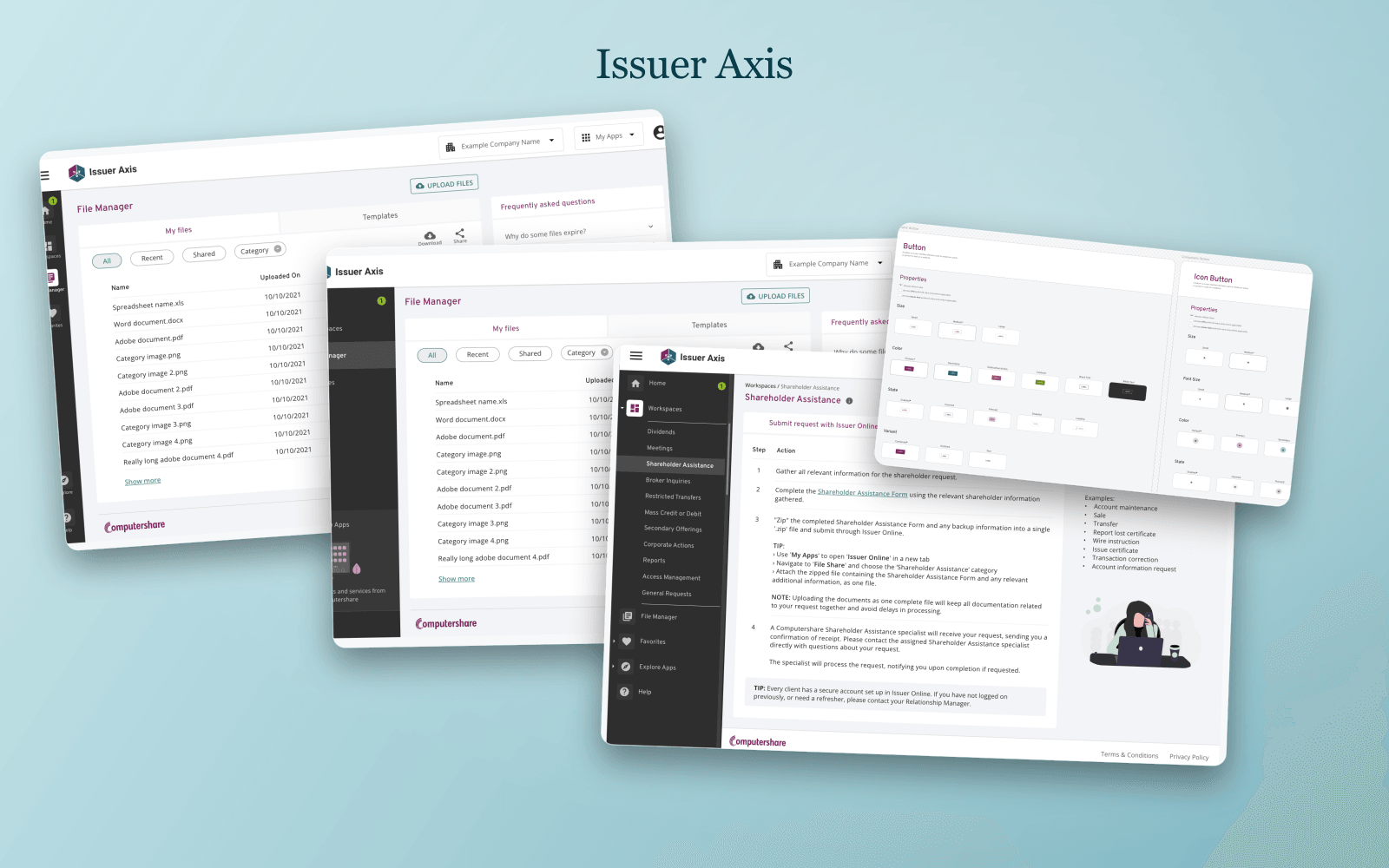 Issuer Axis 2024
Issuer client portal for share-register activity, work item submission, and status tracking, with SSO into related Computershare sites.
- Type
- Website
- Complexity
- Very High
What I built
- Client research at scale
- Discovery + alpha / beta
- Embedded UX squad model
- Enterprise
- Financial Services
- UX Leadership
- Service Design
-
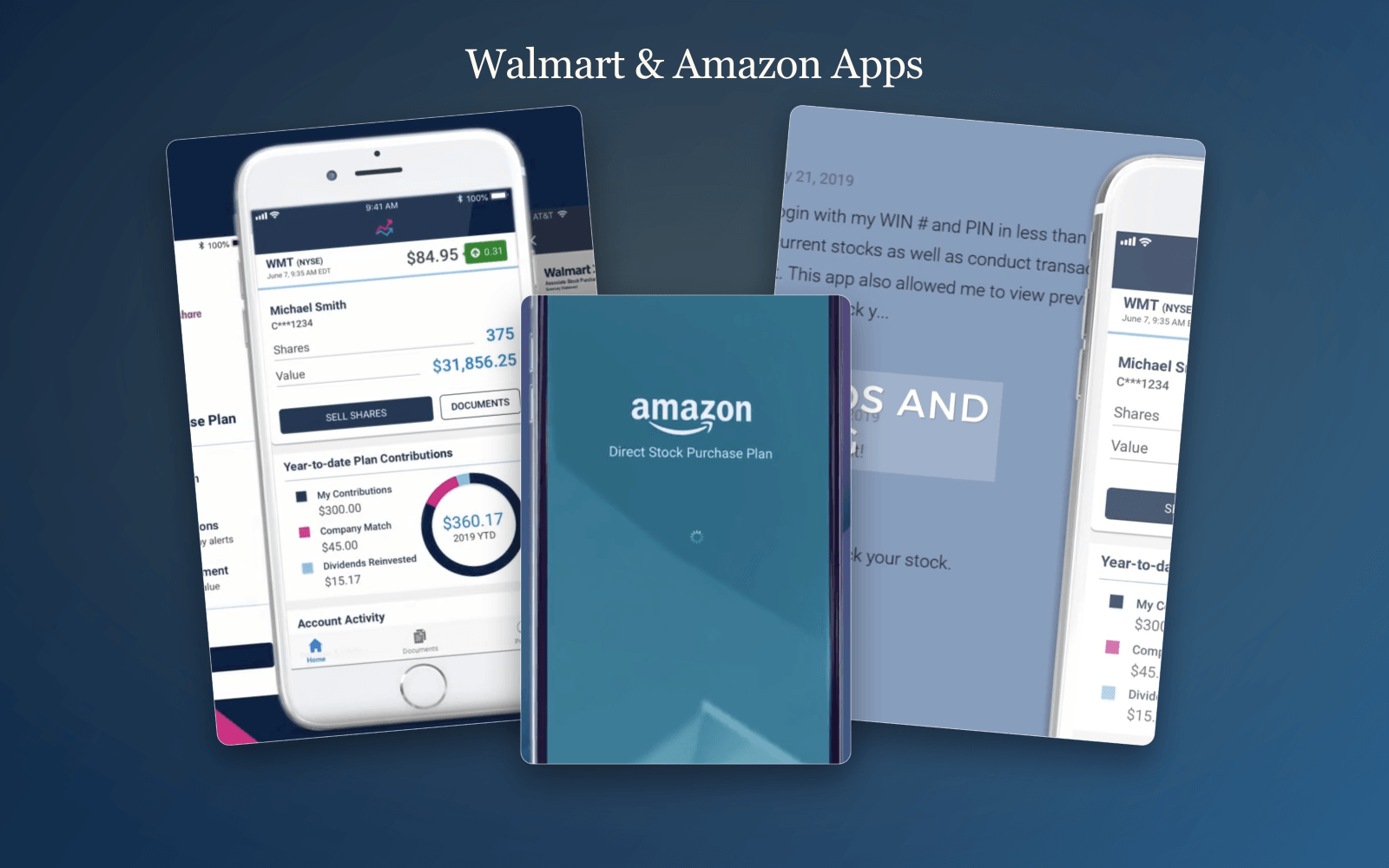
iOS and Android apps for Walmart ASPP and Amazon DSPP covering plan shares, share sales, and tax docs. Walmart passed 100k Google Play downloads.
- Type
- Mobile App
- Complexity
- High
What I built
- Brand-team coordination
- Cross-functional delivery
- 100k+ downloads
- Mobile
- Product Ownership
- Consumer UX
-
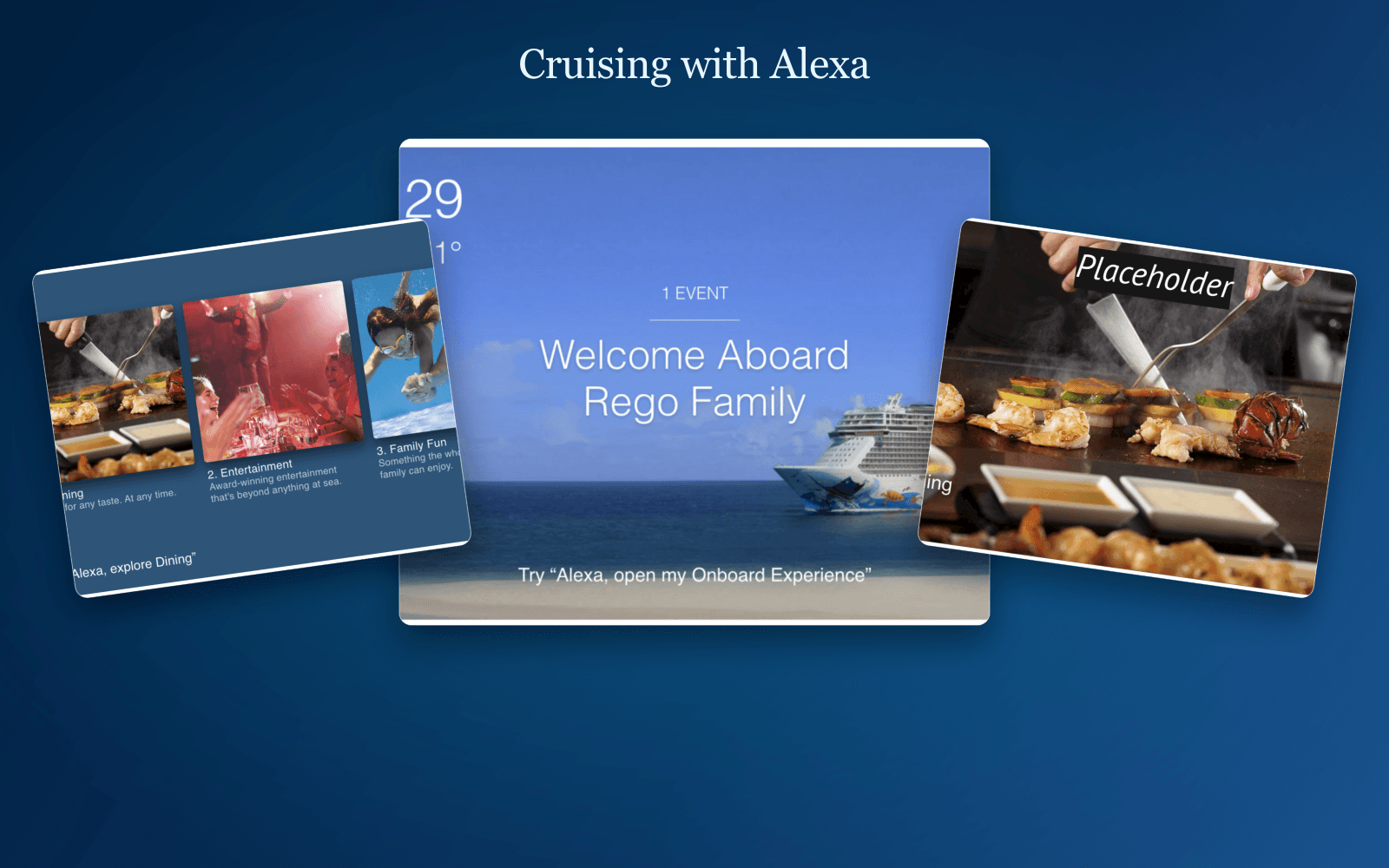 Cruising with Alexa 2019
In-cabin Alexa-powered cruise concierge: voice and touch on the Echo Show for dining, activities, and excursions.
- Type
- Voice User Interface
- Complexity
- Low
What I built
- Voice + touch UX
- Echo Show flows
- Conversation design
- Voice / Conversational
- VUI
- NLU
- Travel
-
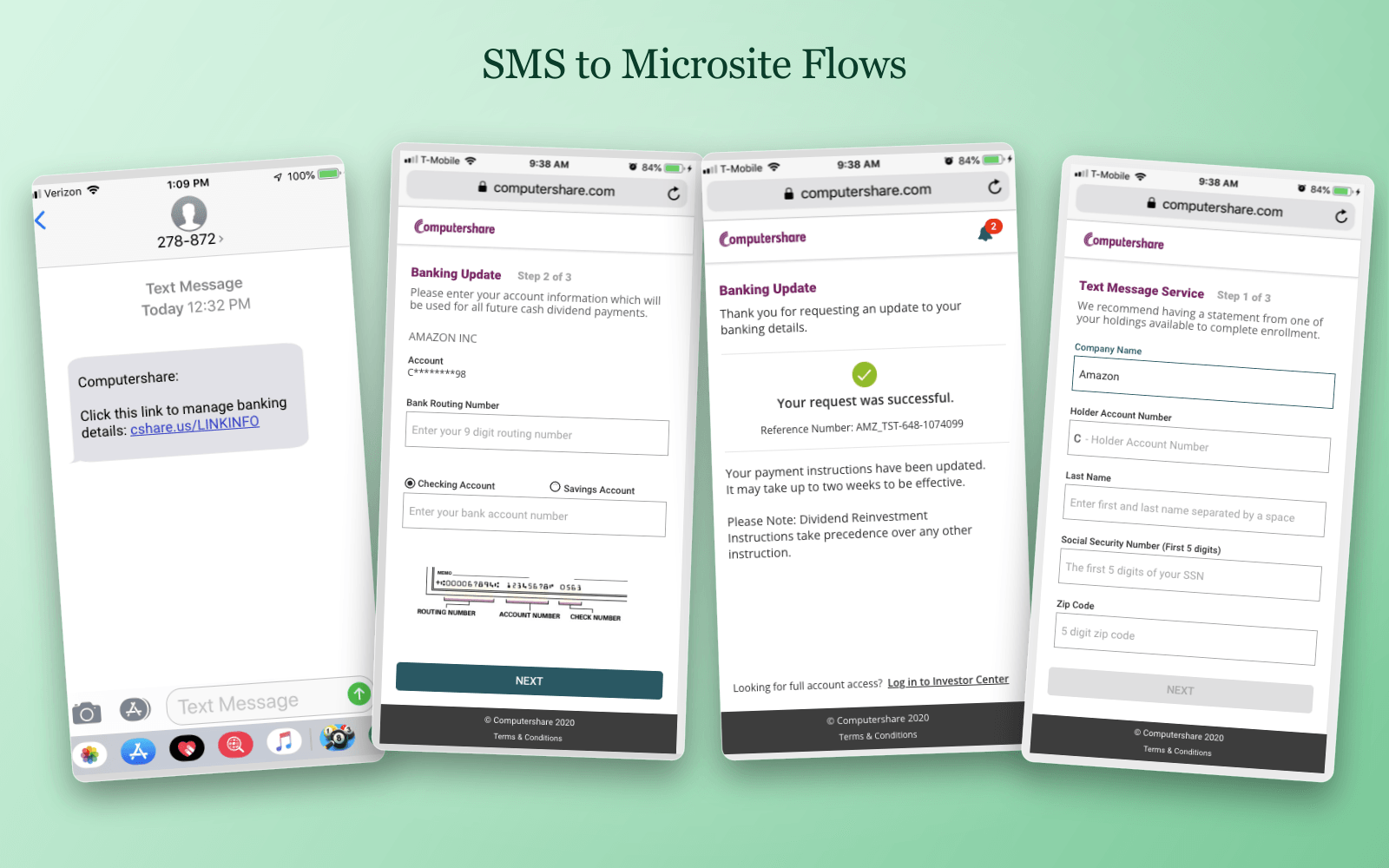
SMS-triggered, task-specific microsites for check replacement, banking updates, address changes, and document access. No portal login required.
- Type
- SMS
- Complexity
- Medium
What I built
- SMS-trigger workflow
- Cross-channel handoff
- Task-specific microsites
- Mobile
- Service Design
- Financial Services
-
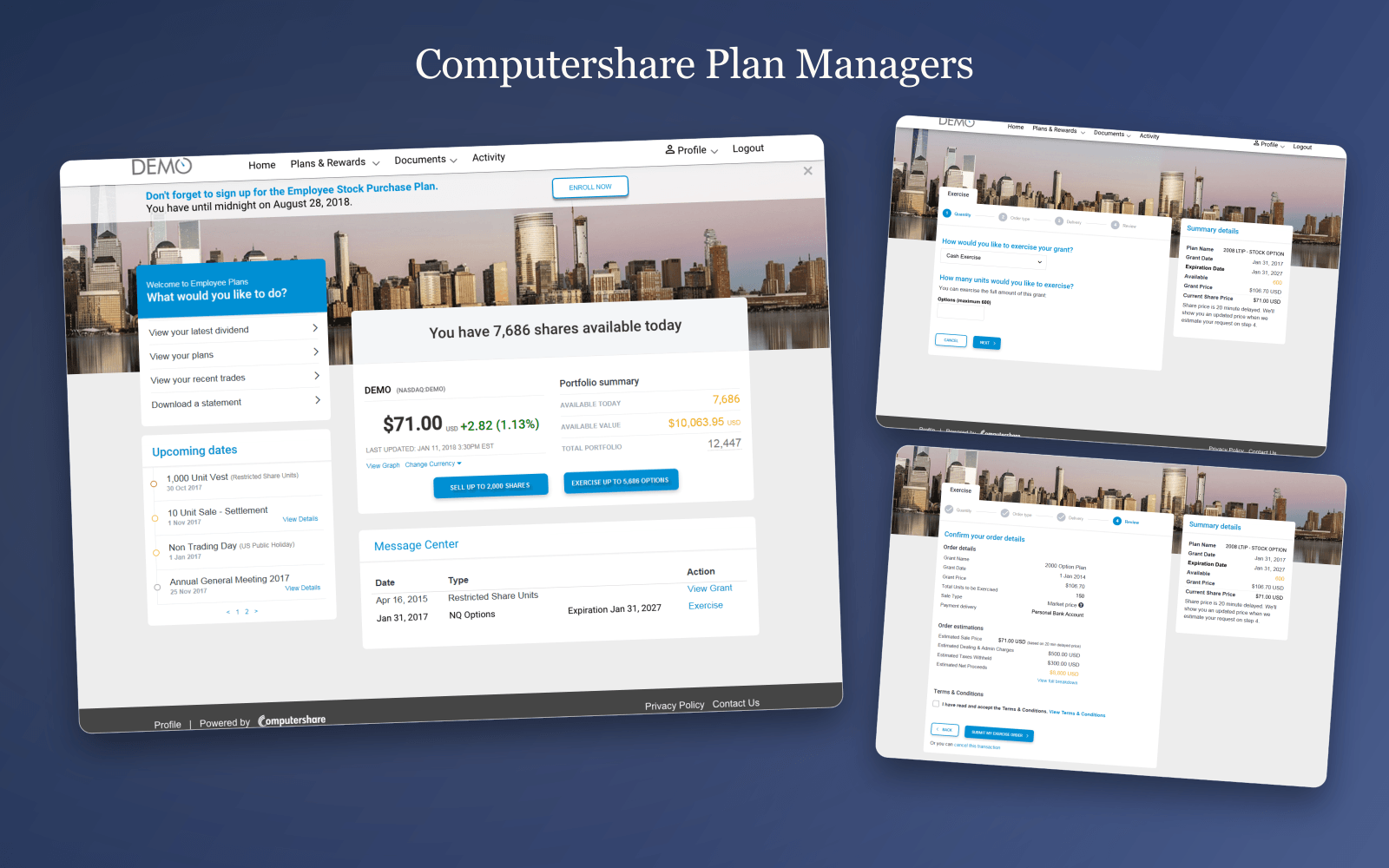
Global employee share-plan portal for holdings, plan value, forms, contributions, grant acceptance, enrollment, and share sales.
- Type
- Website
- Complexity
- High
What I built
- Global stakeholder workshops
- Design system foundation
- US ↔ AU delivery model
- Enterprise
- Financial Services
- UX Leadership
-
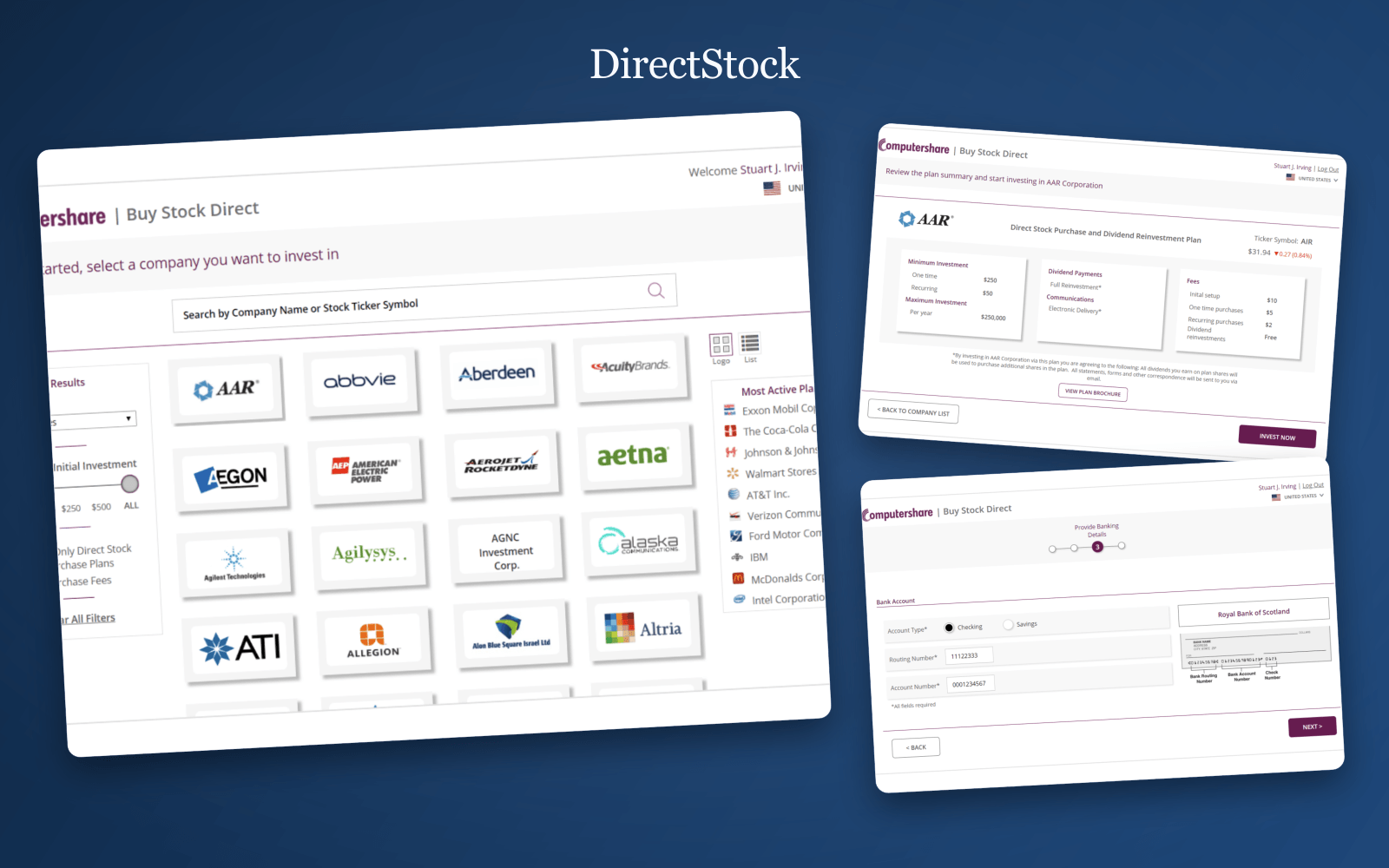 DirectStock 2018
Modernization and rebrand of Buy Stock Direct. Client-logo discovery patterns reduced drop-offs and lifted monthly DSPP sign-ups by 10%.
- Type
- Website
- Complexity
- Low
What I built
- Stakeholder alignment
- Decision-support UX
- +10% DSPP sign-ups
- Financial Services
- Web
- Conversion
- UX Design
-
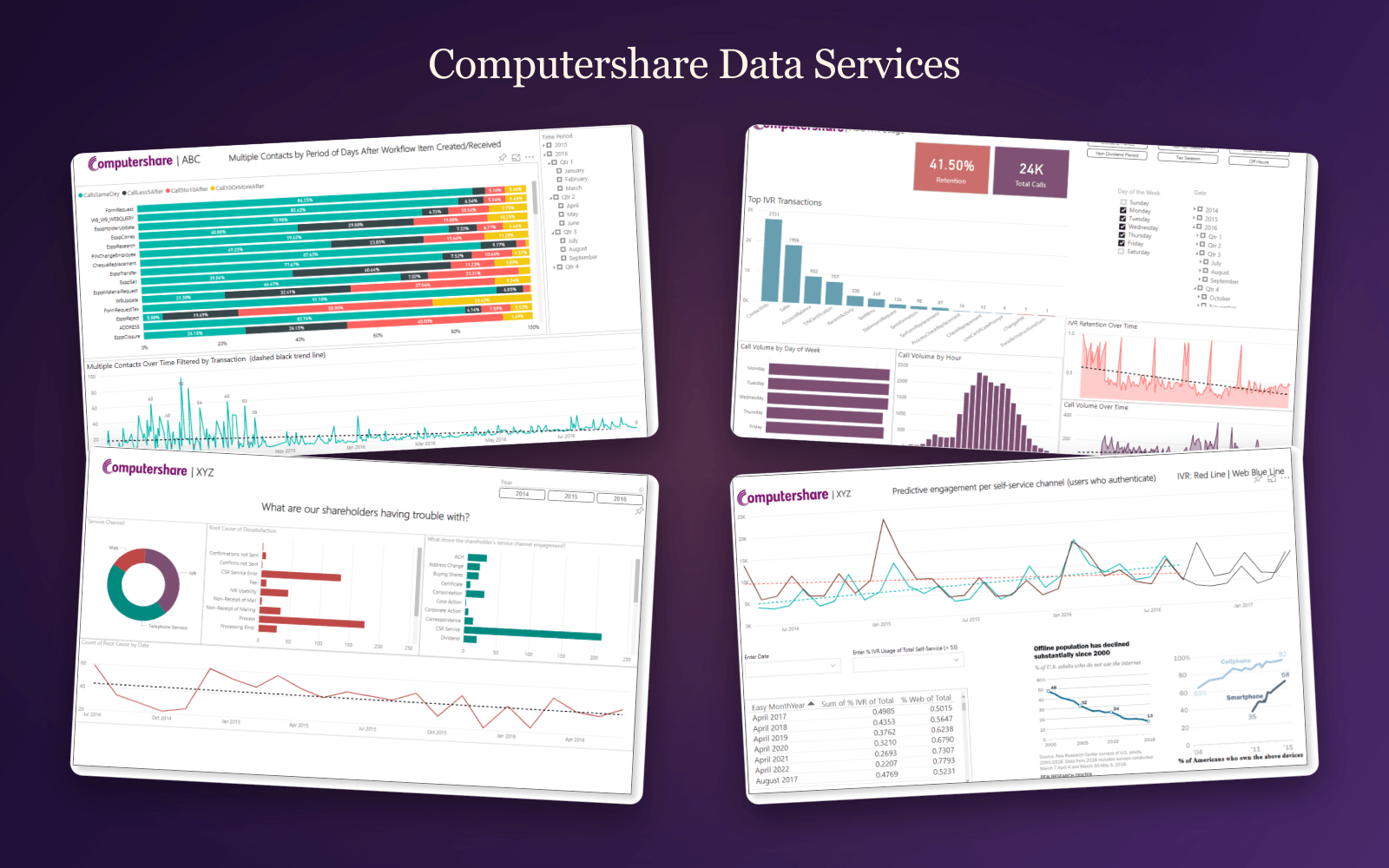
BI proof-of-concept in Power BI, surfacing revenue opportunities and operational efficiencies across business lines.
- Type
- BI Dashboard
- Complexity
- High
What I built
- Power BI dashboards
- ETL coordination
- Executive demos
- Data / BI
- Financial Services
- Strategy
Featured architecture
Top projects, as product systems.
Each diagram shows how the case moves data and decisions. Click any region or node to read what happens at that point in the system.
Best Life 2.0: Personal Intelligence Platform Architecture
Best Life consolidates health, fitness, nutrition, wellbeing, environment, and lifestyle data, today scattered across dozens of disconnected apps, into a single AI-ready platform. Inputs flow through an intelligence layer that normalizes events, generates insights, detects patterns, and produces personalized recommendations that surface across Home, Agenda, Insights, and Programs.
Architecture map
CrimCaseAI: Agentic Case Intelligence Architecture
CrimCaseAI is structured around a Case Twin: a living digital model of the matter that organizes facts, evidence, procedural posture, jurisdictional context, and attorney strategy. Around that core, specialized agents assist with intake structuring, evidence organization, timeline generation, issue spotting, drafting, and client updates, with attorney review, source traceability, and approval gates built into the workflow.
Architecture map
Todaiyo: AI Homeownership Assistant Architecture
Todaiyo turns a homeowner's question, photo, or issue into structured guidance. The Triage Engine in the middle does the work: classifying the problem, deciding repair vs refresh vs renovation, weighing DIY vs contractor, recommending cost tiers, flagging safety concerns, and routing to the right pathway. Inputs are what the homeowner brings; outputs are what they walk away with.
Architecture map
Contact
Need someone who can turn complex product ambition into a working system?
Supporting teams as they move from ambiguity to prototypes, specifications, and intelligent product systems that technical and non-technical stakeholders can align around.
hello@joseregodesign.com · New York City Metro Area